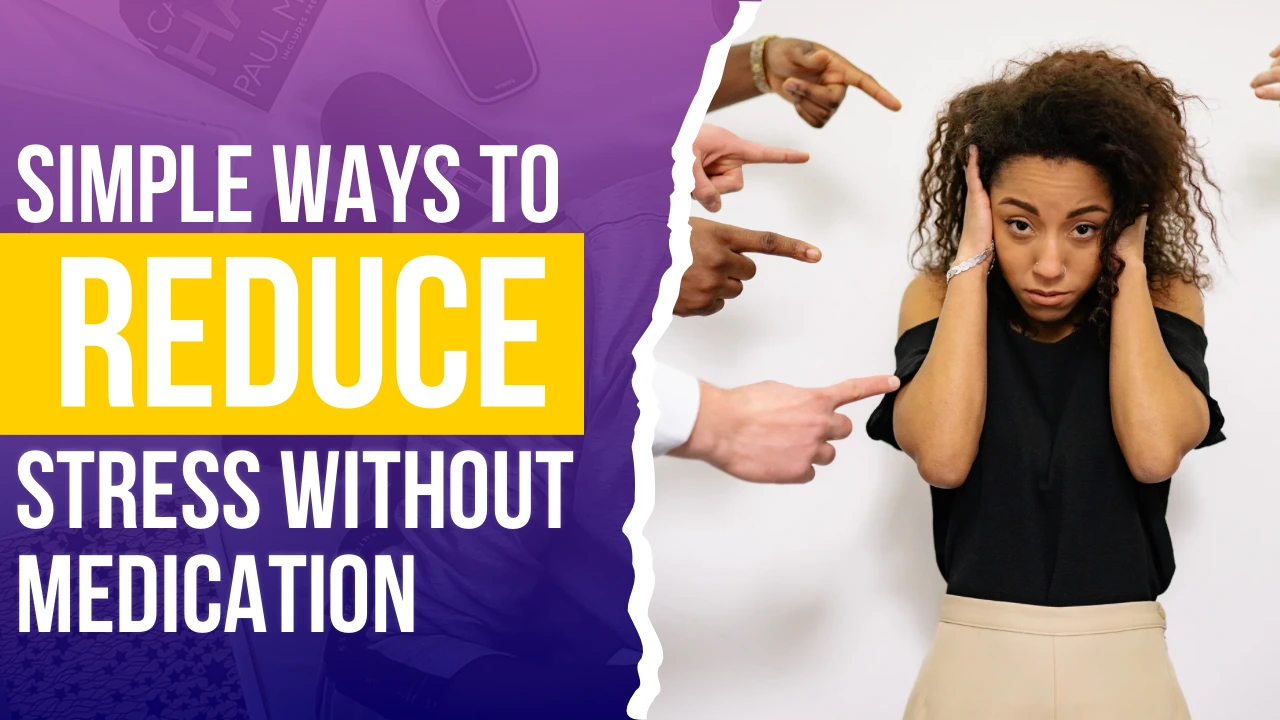
Understanding How to Reduce Stress Without Medication
In today’s fast-paced world, stress has become an unwelcome companion for millions of people. While medication can be helpful in severe cases, many individuals prefer to reduce stress without medication using natural methods that have no side effects and can be practiced anytime, anywhere. Stress affects not only your mental health but also your physical wellbeing, contributing to headaches, digestive issues, sleep problems, and weakened immunity. The good news is that numerous effective, drug-free techniques can help you manage stress levels and restore a sense of calm and balance to your daily life.
Learning to reduce stress without medication empowers you to take control of your wellbeing through simple lifestyle changes and natural practices. These methods work by activating your body’s relaxation response, lowering cortisol levels, and helping you develop resilience against daily pressures. From breathing exercises to physical activity, from mindfulness to creative expression, there are countless approaches you can try to find what works best for your unique situation. In this guide, we’ll explore practical, science-backed techniques that anyone can incorporate into their routine to manage stress naturally and effectively.
Practice Deep Breathing Exercises
One of the fastest and most effective ways to reduce stress without medication is through deep breathing exercises. When you’re stressed, your breathing becomes shallow and rapid, which signals your body to stay in fight-or-flight mode. By consciously slowing and deepening your breath, you activate your parasympathetic nervous system, which triggers your body’s natural relaxation response. This simple technique can lower your heart rate, reduce blood pressure, and calm your racing thoughts within just a few minutes.
Try the 4-7-8 breathing technique: breathe in through your nose for 4 counts, hold your breath for 7 counts, and exhale slowly through your mouth for 8 counts. Repeat this cycle 4-5 times whenever you feel stressed. Another effective method is diaphragmatic breathing, where you breathe deeply into your belly rather than your chest. You can practice breathing exercises anywhere—at your desk, in traffic, before an important meeting, or before bed. Making deep breathing a daily habit, even for just 5-10 minutes, can significantly improve your stress resilience over time.
Get Moving with Regular Exercise
Physical activity is a powerful tool to reduce stress without medication. Exercise releases endorphins, your body’s natural mood elevators, which create feelings of happiness and relaxation. Regular movement also reduces levels of stress hormones like cortisol and adrenaline while improving sleep quality, boosting self-confidence, and providing a healthy outlet for frustration and tension. You don’t need to become a marathon runner or spend hours at the gym—even moderate activity makes a significant difference.
Find activities you genuinely enjoy, whether it’s walking, dancing, swimming, cycling, or playing a sport. Aim for at least 30 minutes of moderate exercise most days of the week. Even short 10-minute walks can provide immediate stress relief. Yoga combines physical movement with breathing and mindfulness, making it especially effective for stress management. The key is consistency rather than intensity—regular, moderate exercise beats occasional intense workouts when it comes to long-term stress reduction. Physical activity also gives you a break from stress triggers and provides time to clear your mind.
Connect with Nature
Spending time outdoors is a remarkably effective way to reduce stress without medication. Nature has a calming effect on the nervous system, lowering cortisol levels and reducing feelings of anxiety and tension. The Japanese practice of “forest bathing” or simply being present in natural surroundings has been shown to improve mood, boost immunity, and promote mental clarity. Natural settings provide a peaceful environment away from the noise, screens, and demands of modern life.
Make it a habit to spend time outside daily, even if it’s just 15-20 minutes. Walk in a park, sit under a tree, tend a garden, or simply observe the sky and clouds. If you live in an urban area with limited green spaces, even looking at images of nature or keeping plants indoors can provide some stress-reducing benefits. Weekend hikes, beach visits, or camping trips offer deeper immersion in nature. The combination of fresh air, natural light, and green surroundings helps reset your mental state and provides perspective on your worries.
Practice Mindfulness and Meditation
Mindfulness and meditation are proven techniques to reduce stress without medication by training your mind to focus on the present moment rather than dwelling on past regrets or future anxieties. Mindfulness means paying attention to your current experience without judgment—noticing your thoughts, feelings, and sensations as they arise and pass. This practice helps break the cycle of stress by preventing your mind from spiraling into worry and negative thinking patterns.
Start with just 5 minutes of meditation daily and gradually increase the duration. Find a quiet space, sit comfortably, close your eyes, and focus on your breath. When thoughts arise, simply acknowledge them without judgment and return your attention to breathing. There are many meditation styles to explore, including body scan meditation, loving-kindness meditation, and guided visualization. Mindfulness can also be practiced during daily activities—eating mindfully, walking mindfully, or simply pausing to notice your surroundings. With regular practice, mindfulness becomes a powerful tool for managing stress reactions and maintaining emotional balance.
Cultivate Social Connections
Strong social relationships are essential when you want to reduce stress without medication. Talking with trusted friends or family members about your concerns provides emotional support, different perspectives, and often practical solutions. Human connection releases oxytocin, a hormone that naturally counteracts stress and promotes feelings of calm and security. Even simply spending time with loved ones, sharing laughter, or engaging in enjoyable activities together can significantly lower stress levels.
Make time for meaningful social interactions regularly. Schedule coffee with friends, call family members, join clubs or groups based on your interests, or volunteer in your community. Face-to-face connections are most beneficial, but phone calls and video chats also help. Don’t hesitate to reach out when you’re struggling—people often want to help but don’t know you’re stressed unless you communicate. Remember that quality matters more than quantity in relationships; a few deep, supportive friendships provide more stress relief than numerous superficial connections.
Establish Healthy Sleep Habits
Quality sleep is fundamental to your ability to reduce stress without medication. Lack of sleep amplifies stress reactions, impairs decision-making, and makes everyday challenges feel overwhelming. When you’re well-rested, you’re better equipped to handle stress and maintain emotional balance. Creating consistent sleep routines helps regulate your body’s internal clock and improves both sleep quality and stress resilience.
Aim for 7-9 hours of sleep nightly. Go to bed and wake up at the same times daily, even on weekends. Create a relaxing bedtime routine that might include reading, gentle stretching, or listening to calming music. Keep your bedroom cool, dark, and quiet. Avoid screens for at least an hour before bed, as blue light interferes with melatonin production. Limit caffeine after noon and avoid heavy meals close to bedtime. If racing thoughts keep you awake, try keeping a journal by your bed to write down worries, which helps clear your mind for sleep.Health & Wellness
Conclusion
Learning to reduce stress without medication is not only possible but often more sustainable and empowering than relying on pharmaceutical solutions. By incorporating these natural techniques—deep breathing, regular exercise, time in nature, mindfulness practice, social connections, and healthy sleep habits—you can build a comprehensive stress management toolkit. Start with one or two methods that resonate with you, practice them consistently, and gradually add others. Remember that managing stress is a skill that improves with practice, and what works may vary from person to person. Be patient with yourself, celebrate small improvements, and know that these natural approaches can profoundly impact your wellbeing and quality of life.
https://www.nhs.uk/mental-health/self-help/guides-tools-and-activities/tips-to-reduce-stress